Select your language
 ID
ID 


Program Activities
Participatory Post-Flood Mapping in Balingkarang Village
YSI
Hits: 95
3 minutes read
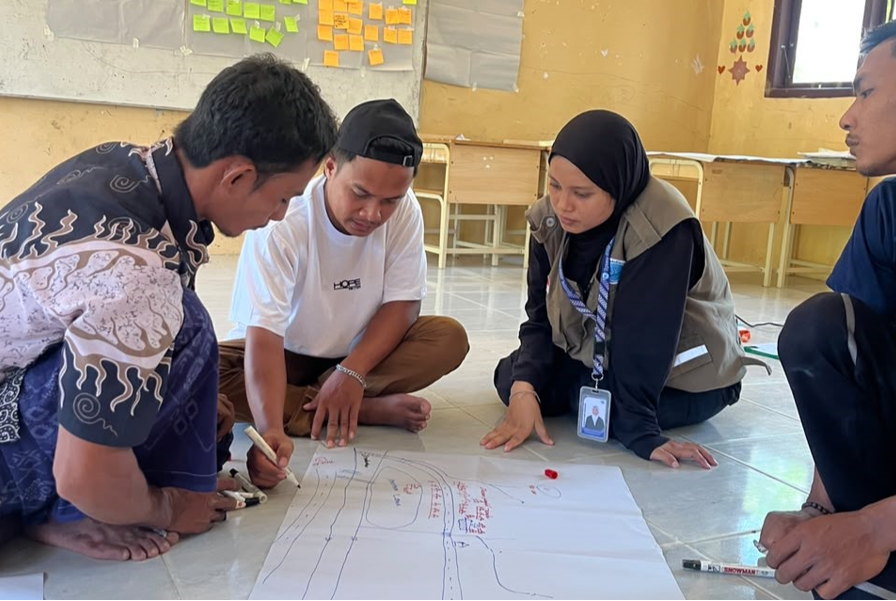
A post-flood Rapid Participatory Assessment (RPA) was conducted in Balingkarang Village, Aceh Tamiang Regency. This activity is part of the Gender-sensitive WASH and Shelter Assistance for Vulnerable Communities in Aceh (GWS Aceh) program implemented by Yayasan SHEEP Indonesia (YSI) to support the recovery of flood-affected communities through the provision of safe, inclusive, and gender-sensitive WASH and shelter services.
The assessment was carried out in collaboration with the Balingkarang Village community and involved the Datuk/Village Head, Village Secretary, village officials, community leaders, women leaders, elderly groups, persons with disabilities, and flood-affected residents in identifying recovery needs and priorities based on actual conditions in the field.
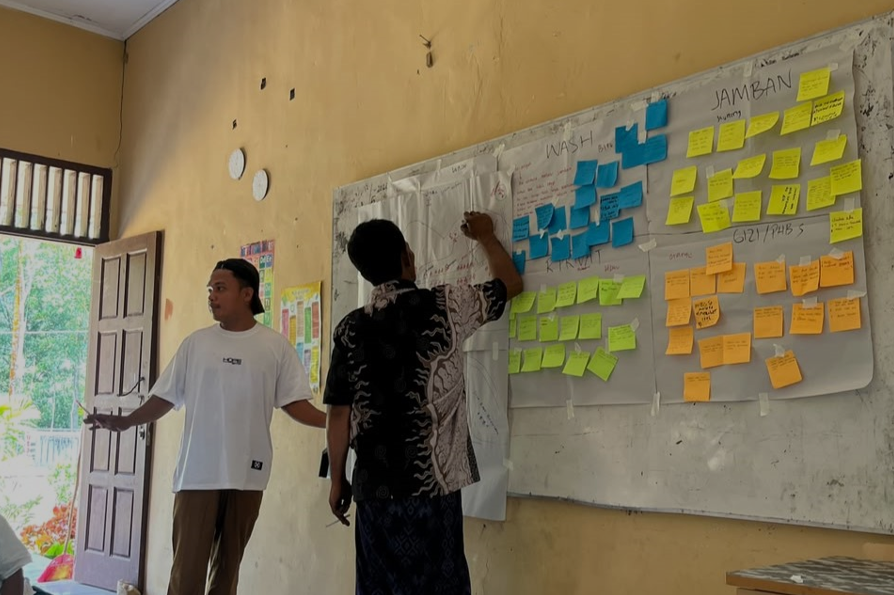
Through group discussions, participatory mapping, and joint field observations with community members, the community mapped the condition of water sources, sanitation facilities, and post-flood shelter needs. The activity also formed part of the in-depth assessment process that serves as the basis for planning recovery interventions in the areas of clean water, sanitation, hygiene promotion, and shelter.
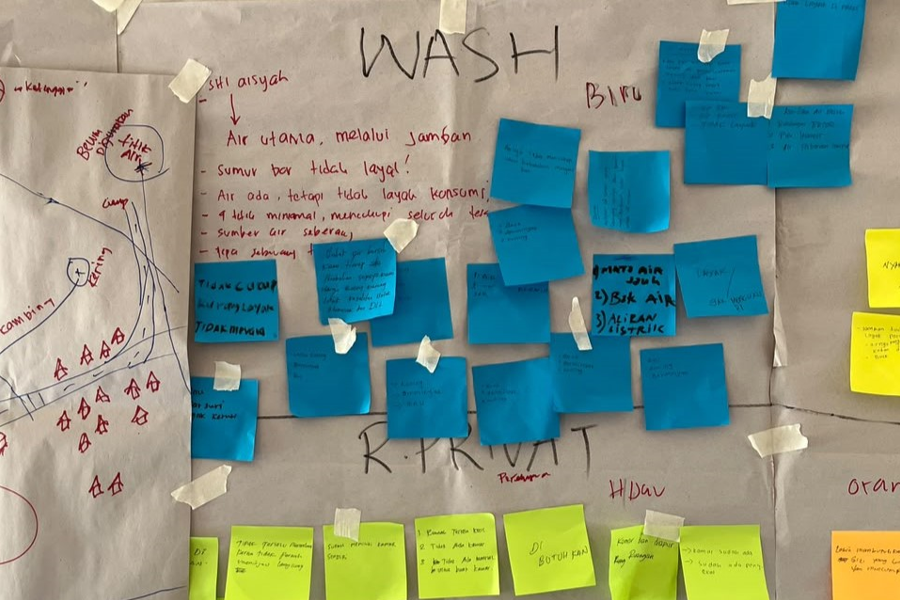
The mapping results showed that several water source points had experienced functional disruption due to the flood, including damaged installations, reduced water discharge, and contamination. Based on these findings, residents together with the YSI team also identified potential alternative water sources that could be developed as part of efforts to restore access to clean water.
In the sanitation sector, the community identified the need to repair family latrine facilities that are elderly-friendly, disability-inclusive, and gender-sensitive. In the shelter sector, residents expressed the need for safe and adequate private spaces for women and other at-risk groups in temporary shelters, including material support for additional partitioning and space improvements.
Preliminary data indicate that 11 bore wells are not functioning optimally, 25 households have lost access to latrines and do not yet have private spaces for women, and there is a potential risk of declining child nutritional status due to the loss of parental livelihoods. In addition, two potential new spring sources were identified that could be used for a piped water supply system. These data will serve as the basis for developing recovery intervention plans in Balingkarang Village and other target villages.
Ridho, GWS Aceh Area Manager, stated: “This participatory mapping process ensures that recovery efforts are carried out based on the actual needs of the community, particularly women and vulnerable groups. Their needs form the primary basis for determining intervention priorities so that the WASH and shelter services provided are truly safe, inclusive, and beneficial.”
The assessment results will be followed up through technical verification with the village government and relevant stakeholders to determine priorities for restoring access to clean water, sanitation facilities, and housing for flood-affected residents in Balingkarang Village.