Select your language
 ID
ID 


Program Activities
Climate Crisis Threatens Children, Teachers from 12 Schools Strengthen Their Capacity to Integrate Climate Issues into Classroom Learning
YSI
Hits: 117
3 minutes read
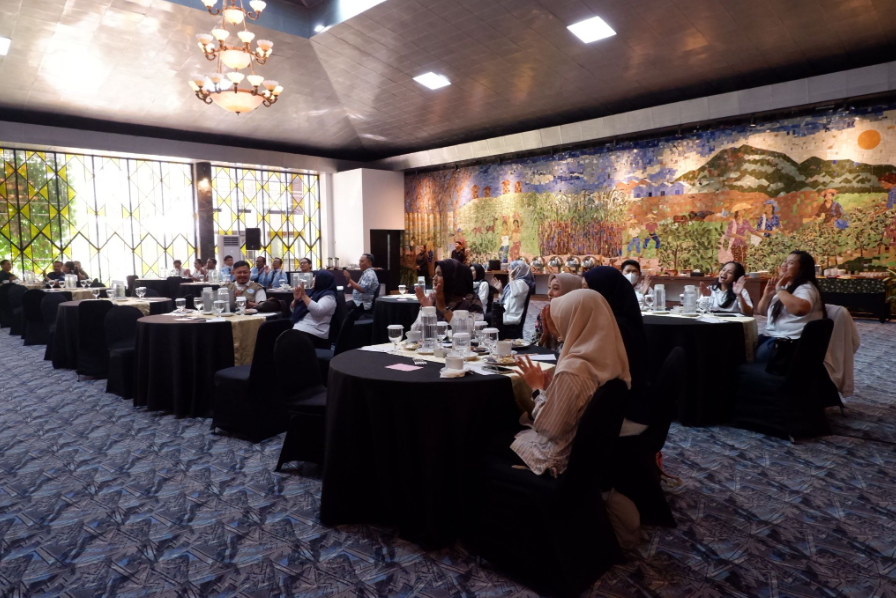
YOGYAKARTA. Climate change is no longer merely an environmental issue or a distant concern. It has become a growing threat to children's safety and fundamental rights, both today and in the future. In response to the increasing anxiety, uncertainty, and disruption caused by the climate crisis, Yayasan SHEEP Indonesia (YSI) has encouraged and supported 32 teachers from 12 schools across Yogyakarta City and Sleman Regency to integrate Climate Justice and Child Rights Protection (KIPHA) into classroom learning.
This initiative was officially launched through a Refreshment Workshop held at Narasena Co-Living, Yogyakarta, on Monday, July 20, 2026. The workshop marked the beginning of a broader capacity strengthening program for educators, with the ultimate goal of safeguarding children's rights to a healthier, safer, and more sustainable future.
Why This Initiative Matters
Children are among the most vulnerable groups affected by climate change. They face increasing health risks, disruptions to education caused by extreme weather events, and growing uncertainty about their future. According to UNICEF, Indonesia ranks 46th globally among countries facing the highest climate risks for children, including the impacts of high carbon emissions that threaten children's well-being.
Despite these realities, the education system has yet to fully respond to the challenge. UNESCO's 2024 report revealed that fewer than 30 percent of teachers feel adequately prepared to teach climate change topics. The Climate Justice for Child Rights Protection (KIPHA) Program seeks to bridge this gap by strengthening teachers' knowledge, practical skills, and collaborative learning through intensive training and experience sharing.
Key Highlights of the Workshop
Throughout the one-day workshop, teachers from primary, junior secondary, and senior secondary schools explored climate issues from multiple perspectives.
Child Rights Perspective
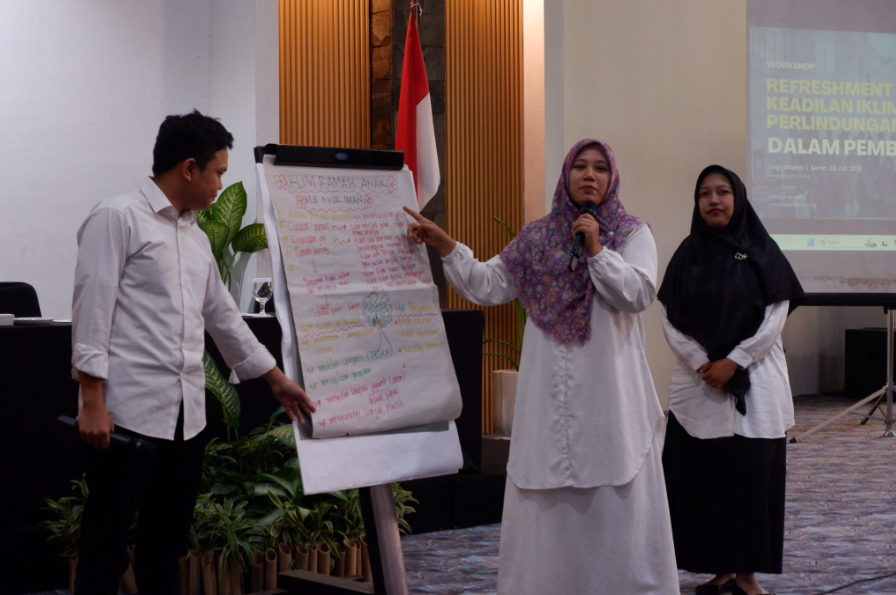
Suparlan from Yayasan SHEEP Indonesia emphasized the importance of placing child protection at the center of every climate action. Using a participatory canvas approach, teachers reflected on five key dimensions.
- Observe. What changes have occurred in schools due to climate change?
- Feel. How do these changes affect children's lives and their rights?
- Protect. What actions can schools take to ensure children's safety and protection?
- Transform. What needs to change to build resilience, strengthen adaptation, and create long-term positive change?
- Teach. What experiences and lessons can be shared with students to help them understand climate issues?
Understanding Local Climate Trends
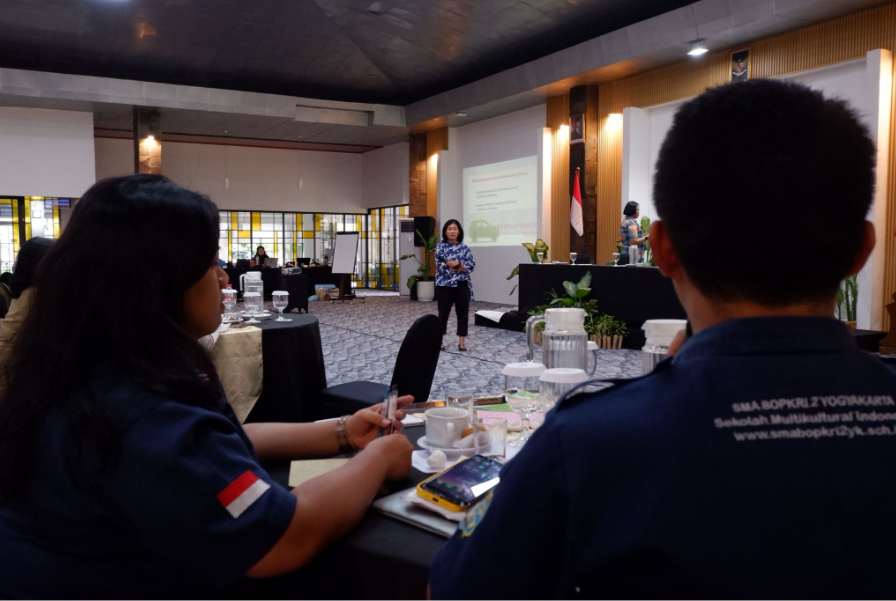
Reni Kraningtyas, S.P., M.Si., Head of the Yogyakarta Climatology Station of the Indonesian Meteorological, Climatological, and Geophysical Agency (BMKG), presented evidence of long-term climate trends and explained the impacts of El Niño and La Niña on the Yogyakarta Special Region. She highlighted how rising global temperatures have intensified extreme weather events, increasing disaster risks for schools. She also encouraged teachers to make better use of climate information and technology to help students develop critical observation skills and strengthen preparedness.
Integrating Climate Justice into the Curriculum
Dr. Sri Sulastri, M.Pd., Director of the BOPKRI Foundation of Yogyakarta, guided participants in identifying entry points within existing teaching modules where climate justice values could be meaningfully integrated. She also stressed the importance of continuous monitoring and evaluation so that classroom practices produce measurable and lasting benefits for children.
Building a Shared Commitment
Through a series of interactive discussions and collaborative learning sessions, participants developed a shared understanding of climate justice and child rights protection. Teachers left the workshop with an initial mapping of practical entry points for integrating KIPHA into lesson plans and classroom activities. The workshop also created opportunities for schools to learn from one another by exchanging experiences, identifying emerging good practices, and documenting lessons that can support broader implementation in the future.