Select your language
 ID
ID 


Program Activities
Yayasan SHEEP Indonesia Strengthens the Role of the Media in Disaster Risk Reduction and Climate Change Adaptation in the PASIGALA Landscape
YSI
Hits: 84
3 minutes read
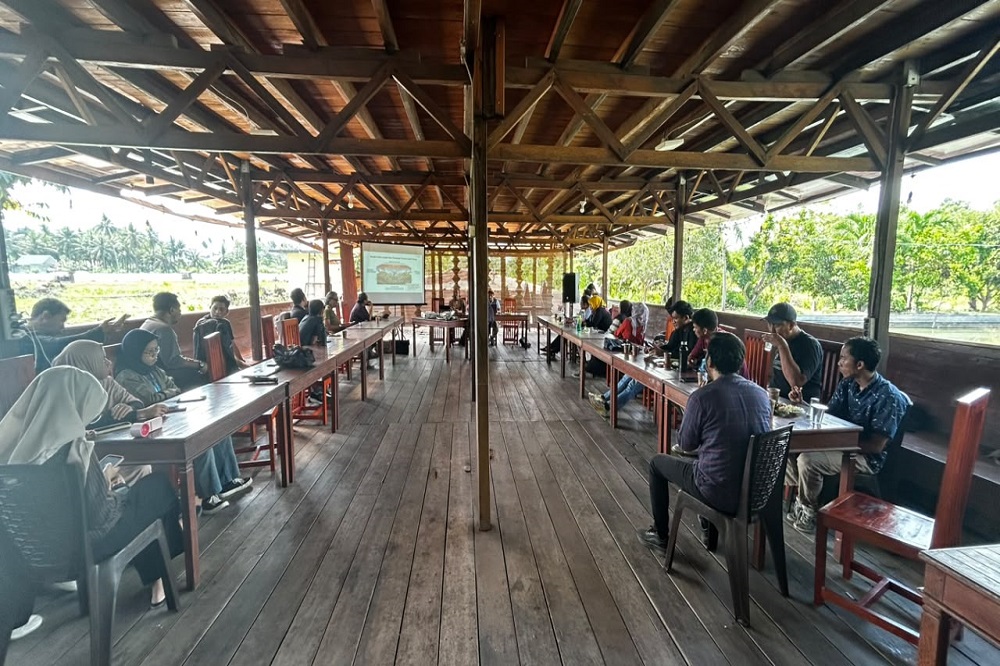
As part of its efforts to strengthen community resilience and promote quality disaster communication, Yayasan SHEEP Indonesia, in collaboration with Rindang.ID, organized a Journalists' Dialogue titled "Strengthening Media Narratives on Disaster Risk Reduction (DRR) and Climate Change Adaptation in the Palu, Sigi, and Donggala (PASIGALA) Landscape" in Sigi Regency, Central Sulawesi.
The event brought together 21 journalists representing 21 local and national media outlets. Resource persons included representatives from the Meteorology, Climatology and Geophysics Agency (BMKG), the Central Sulawesi Regional Disaster Management Agency (BPBD), the Central Sulawesi Disaster Risk Reduction Forum (F-PRB), academics, and media practitioners.
Masturidho, Area Manager of Yayasan SHEEP Indonesia for Central Sulawesi, emphasized that the media plays a strategic role in raising public awareness, strengthening disaster literacy, and encouraging policies that are more responsive to disaster and climate risks.
He explained that disaster reporting should extend beyond covering events after disasters occur. Media should also highlight disaster mitigation, preparedness, climate change adaptation, and community good practices that contribute to reducing disaster risks.
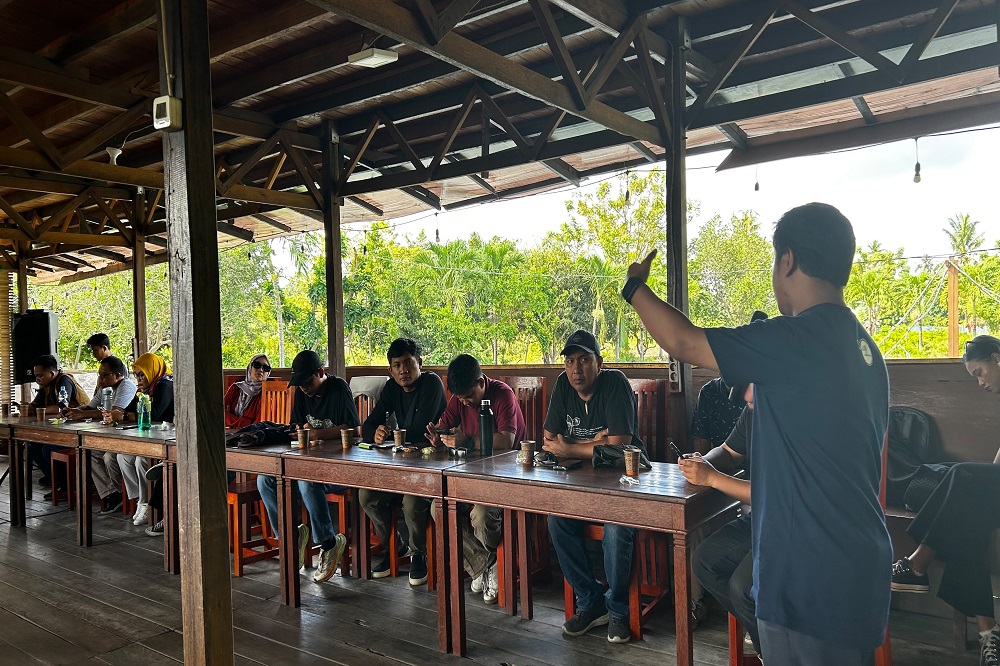
Through this dialogue, Yayasan SHEEP Indonesia seeks to strengthen a network of journalists with deeper knowledge of disaster and climate change issues, enabling them to produce more comprehensive, evidence based, and solution oriented reporting.
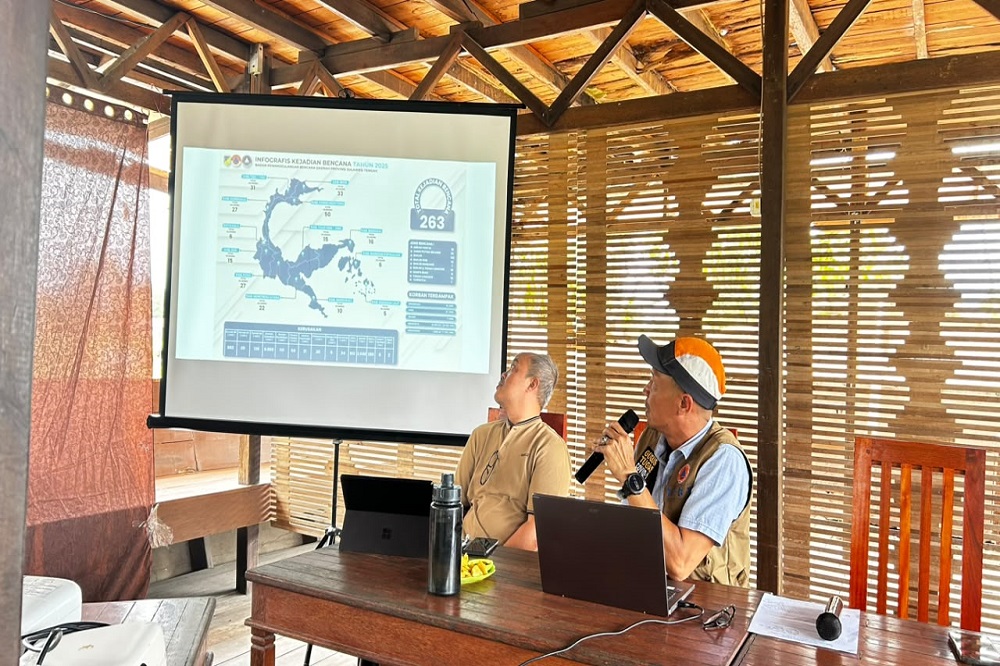
Participants also gained a better understanding of the various hazards affecting the PASIGALA landscape, including the approximately 500 kilometer Palu Koro Fault, which poses a significant earthquake threat, as well as the increasing impacts of climate change on community vulnerability.
According to BMKG data and projections presented during the dialogue, the average annual temperature in the PASIGALA region is expected to increase by more than 1.17°C between 2020 and 2049, while extreme rainfall is projected to rise by 5 to 25 percent. These changes are expected to increase the risks of drought, crop failure, flooding, and other climate related disasters.
One of the key messages emerging from the discussion was the importance of promoting Ecosystem based Disaster Risk Reduction (Eco-DRR) as part of climate change adaptation strategies. This approach recognizes nature as part of the solution through watershed rehabilitation, coastal protection, mangrove restoration, reforestation of degraded land, slope stabilization using vegetation, and the development of climate resilient infrastructure.
In this context, Yayasan SHEEP Indonesia has developed a range of disaster risk reduction and climate adaptation initiatives in collaboration with communities, local governments, civil society organizations, women's groups, youth groups, and multi stakeholder forums across Central Sulawesi.
The dialogue also reaffirmed that disaster risk reduction depends not only on physical infrastructure but also on strengthening communities' capacity to understand and manage the risks they face.
Disaster information therefore needs to be communicated in ways that are accessible and practical for communities to use in their daily decision making. Through accurate, constructive, and solution oriented reporting, the media can enhance public preparedness and contribute to building a stronger culture of disaster risk awareness.
Through this initiative, Yayasan SHEEP Indonesia reaffirmed its commitment to promoting multi stakeholder collaboration in advancing disaster risk reduction and climate change adaptation across the Palu, Sigi, and Donggala landscape.